(205) 494-3007
 hello@goodlaborjobs.com




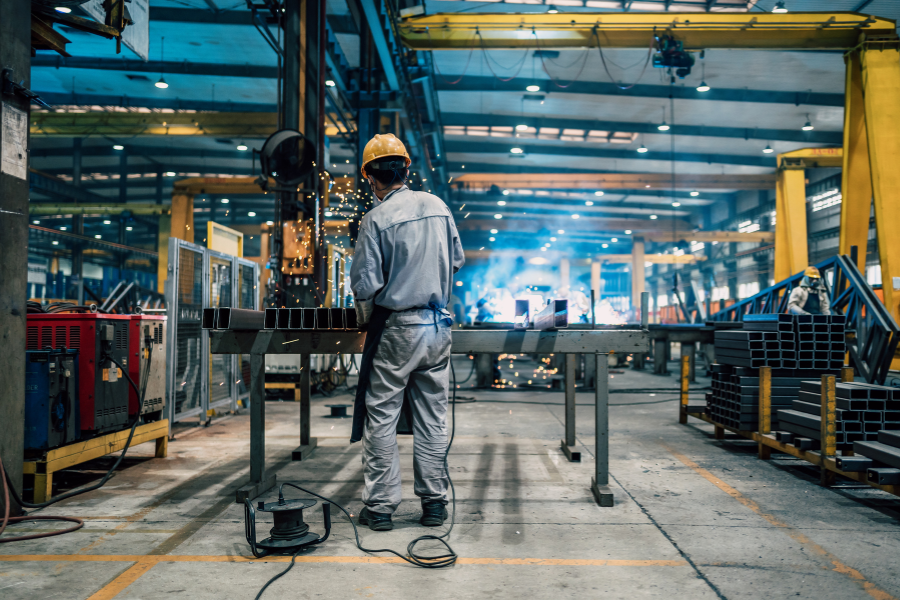
Why Manufacturing Staffing Breaks Down — and How to Fix It Before It Impacts Output

As demands increase, keeping the workforce aligned with production becomes more difficult. The skills required to support more advanced, technology-driven environments are evolving, and many teams are still working to keep pace. More than a third of executives cited the need to equip workers with the skills required to support modern production environments as their top concern.
When roles stay open, production doesn’t slow down, but the adjustments required to maintain output begin to affect consistency on the floor.
How Staffing Delays Turn Into Production Issues
Manufacturing staffing delays shift how production is sustained. When roles remain open, teams are required to maintain coverage without the full workforce in place, reducing flexibility and tightening the margin for error across daily operations.
Coverage becomes harder to maintain the longer roles stay open. Extended hours are used more frequently to keep lines running, and schedules require constant adjustment to keep up with demand. Supervisors are pulled into day-to-day staffing decisions, limiting the time they can spend on performance, process improvement, and team development. Without a structured approach to attendance and workforce support, these disruptions become harder to manage.
The impact does not stop at staffing. It carries into how work is executed, as experienced employees take on responsibilities outside their primary roles and new hires are brought in under pressure with less time to ramp. In production environments that depend on consistency, even small disruptions can create issues that are difficult to trace back to their source.
Missed production targets rarely come from a single gap. They build as the operation continues to compensate for staffing issues that were never fully resolved.
Proactive Staffing Reduces Production Risk
Once staffing gaps begin affecting production, they’re difficult to correct, which is why the more effective approach is to plan workforce needs before those gaps appear. When staffing is aligned with production demand ahead of time, teams are not forced to rely on extended hours or constant schedule adjustments to maintain output.
That shift creates more stability across the floor. In practice, that means:
- Supervisors spend less time solving daily coverage gaps and more time on performance and process improvement
- New hires are onboarded with the time and structure needed to perform consistently in their roles
- Production is less dependent on short-term fixes that introduce variability across shifts
Maintaining that level of consistency requires more than filling roles. It depends on how the workforce is structured and supported once it is in place. Models that prioritize attendance, provide stability in scheduling, and reduce barriers that typically lead to callouts create a more predictable operating environment. When factors like transportation, housing, and workforce continuity are addressed upfront, teams are better positioned to maintain consistent coverage across every shift.
Workforce planning becomes an operational advantage when labor conditions are unpredictable. Maintaining output depends on having a workforce model that can absorb change without disrupting production, rather than reacting to gaps as they appear. The difference is not just how quickly roles are filled, but how reliably the workforce supports production.
Stabilizing Production Starts with the Workforce
The difference between constant adjustment and steady output comes down to how workforce decisions are made. When staffing is planned around what production requires, operations run with more consistency and fewer disruptions across shifts. Fixing this starts with planning ahead and structuring the workforce to support consistent coverage, not just filling roles as needs arise.
GLJ takes a more structured approach to workforce planning, with a focus on attendance, coverage, and long-term workforce stability. You can review how that approach supports manufacturing operations and download the full guide.
If staffing gaps are starting to affect how your operation runs, connect with the GLJ team to build a workforce model that better supports consistent production.