(205) 494-3007
 hello@goodlaborjobs.com





Housekeeping Staffing Challenges & How to Solve Them

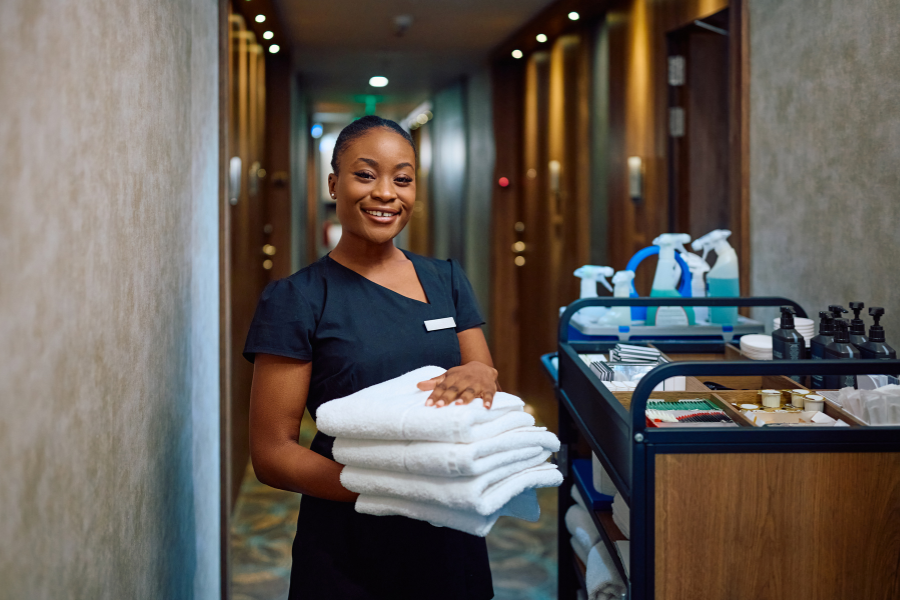
Housekeeping staffing challenges tend to surface faster than most other operational issues. A single call-out can delay room turns, stretch supervisors thin, and place added pressure on teams already operating at capacity.
Unlike other roles, gaps in housekeeping and facilities coverage are immediately visible. Service levels, cleanliness, and compliance standards all depend on having the right people in place, shift after shift. For regional hospitality groups and specialty operators, inconsistency leaves little room to absorb disruption.
Understanding why coverage gaps keep reappearing, and what helps stabilize them, is the first step toward maintaining service levels without constant adjustment.
Why Coverage Gaps Keep Reappearing
Housekeeping and facilities roles are difficult to keep consistently staffed. The work is demanding, turnover is high, and even a single call-out can disrupt an entire shift. When gaps appear, supervisors often step in to cover, pulling focus away from leadership and operational oversight.
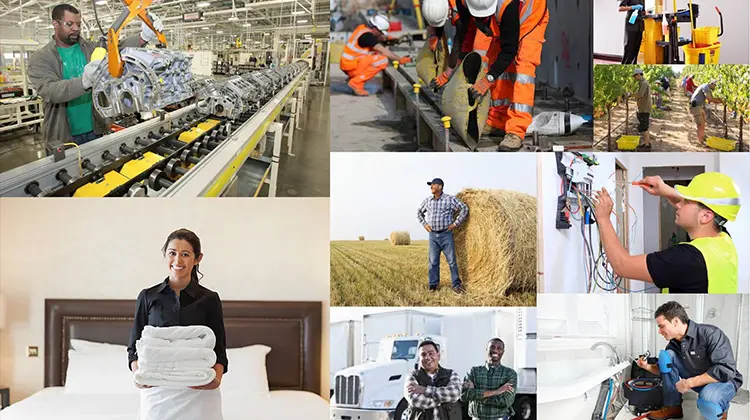
These staffing challenges affect roles across housekeeping and facilities, from commercial cleaners and sanitization specialists to facility maintenance workers and building service teams. When staffing pressure rises, these roles often get treated the same. It can solve a short-term gap, but it rarely leads to lasting stability.
In many operations, hiring prioritizes speed over reliability. Open shifts are filled, but attendance, retention, and readiness for the role receive less attention. Short-term placements and frequent backfilling become routine, increasing churn instead of reducing it.
Over time, staffing starts working against operations. Planning becomes harder, service standards take more effort to maintain, and teams spend more time reacting than preparing. Without a more deliberate approach, coverage gaps will keep reappearing.
What Actually Helps Stabilize Coverage
Stabilizing housekeeping coverage starts with shifting the focus from filling shifts to supporting the work itself. Teams that see fewer disruptions plan staffing around how roles function day to day, not just how quickly a vacancy can be filled.
Focus on reliability, not just availability
Attendance history, schedule fit, and role readiness matter as much as being available. When those factors are considered upfront, coverage becomes easier to maintain over time.
Be clear about the job before day one
Defining schedules, workloads, and service standards early helps reduce early turnover. It also limits the need for supervisors to reset expectations after someone starts.
Build flexibility without constant backfilling
Coverage works best when it can scale with demand without repeated retraining or short-term fixes. Trained, dependable teams create fewer day-of disruptions and allow supervisors to focus on leadership instead of coverage.
The result is more predictable schedules, steadier service levels, and housekeeping teams that support operations instead of straining them.
Signs Staffing Issues Are Affecting Daily Operations
Staffing challenges rarely appear all at once. They tend to build gradually, becoming harder to manage over time. If several of the following sound familiar, it may be a sign that staffing decisions are being made reactively.
- Missed shifts or last-minute callouts are becoming routine
- Overtime is used to cover shifts instead of supporting planned occupancy or events
- New workers require constant onboarding, pulling experienced team members away from core work
- Daily schedules feel fragile, with small staffing issues causing outsized disruption
- Attendance and reliability vary week to week, making it difficult to plan with confidence
When these issues continue, they move beyond staffing concerns and begin to affect daily operations more broadly. Addressing these issues early helps protect production before disruption becomes harder to manage.
A More Dependable Approach to Housekeeping Staffing
For many operators, stabilizing housekeeping coverage requires more than adjusting hiring tactics. It means working with staffing models designed for the realities of the role and how coverage decisions affect daily performance.
Good Labor Jobs supports housekeeping and facilities teams with long-term, committed placements built around real operating conditions. Coverage is designed to scale without constant turnover, helping teams maintain service standards while reducing the need for daily adjustments.
By focusing on reliability, clear expectations, and ongoing support, GLJ helps operators move away from reactive staffing and toward steadier, more predictable coverage.
If you’d like support with stabilizing housekeeping coverage, connect with the GLJ team to discuss your operation.